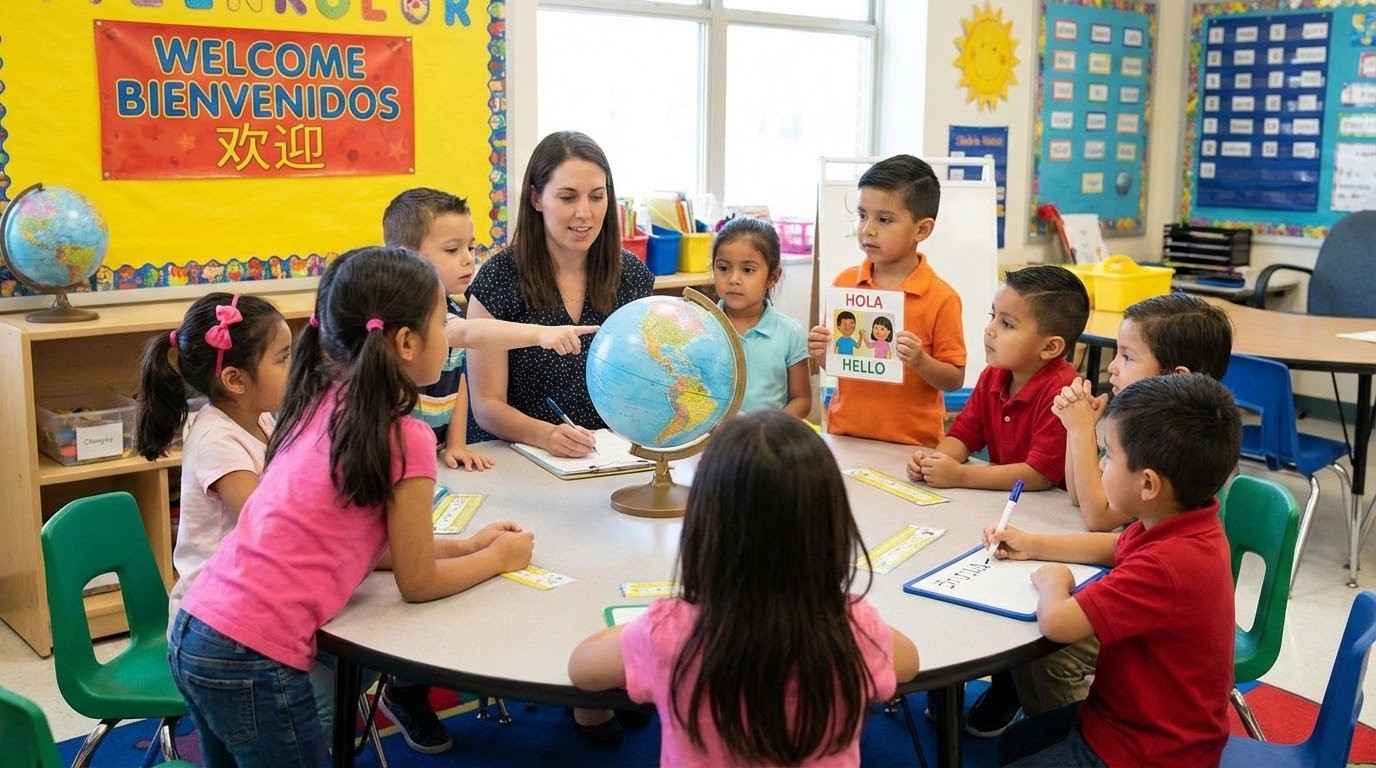
Multilingual learners represent one of the fastest-growing student populations, bringing rich linguistic diversity, but also unique challenges in developing literacy skills. Many of these students are simultaneously learning a new language while trying to master foundational reading skills like phonics, fluency, vocabulary, and comprehension. Without the right support, this dual learning process can slow progress, impact confidence, and widen achievement gaps.
Traditional classroom instruction, while essential, often struggles to provide the immediate, individualized feedback multilingual learners need. Teachers cannot always listen to every student read aloud, correct pronunciation in real time, or continuously monitor comprehension during independent reading. As a result, students may practice incorrectly, reinforce mistakes, or miss critical opportunities to build accuracy and fluency.
This is where digital innovation is reshaping literacy instruction.
Digital tools like Readability, powered by artificial intelligence and real-time speech recognition, are transforming how we support multilingual learners. Instead of waiting for delayed feedback, students receive instant corrections, guidance, and encouragement as they read aloud, mirroring the benefits of one-on-one tutoring at scale. These tools listen to students’ reading, identify errors, support pronunciation, and adapt instruction based on individual performance in the moment.
This shift is more than just technological, it’s instructional. Real-time feedback aligns directly with the Science of Reading, which emphasizes explicit instruction, immediate correction, and repeated practice as essential for developing strong literacy skills . For multilingual learners, this kind of responsive support is especially critical, helping them build both language proficiency and reading confidence simultaneously.
As schools look for scalable, equitable solutions, digital platforms with real-time feedback are emerging as a powerful way to accelerate literacy development, personalize learning, and ensure every multilingual learner has the support they need to succeed.
Why Multilingual Learners Need Real-Time Feedback
A. Language + Literacy Challenges
Multilingual learners face a unique and complex challenge: they are learning to read while simultaneously learning a new language. This dual demand can significantly impact how quickly and effectively they develop foundational literacy skills.
Pronunciation barriers: Many multilingual learners are unfamiliar with the sounds and phonetic patterns of English. Differences between their home language and English, such as vowel sounds, consonant blends, or syllable structures can lead to frequent mispronunciations. Without immediate correction, these errors can become ingrained, making it harder to develop accurate reading and speaking skills over time.
Limited vocabulary exposure: Vocabulary knowledge is a critical driver of reading comprehension, yet multilingual learners often have less exposure to English words, especially academic vocabulary. When students encounter unfamiliar words without support, it slows comprehension and disrupts reading flow. Over time, this can reduce motivation and limit their ability to engage with grade-level texts.
Slower decoding and fluency development: Decoding requires strong phonics skills, which may not transfer directly from a student’s first language. As a result, multilingual learners often read more slowly and with less accuracy. This impacts fluency, the bridge between decoding and comprehension, making reading feel effortful rather than automatic. Without targeted support, students may struggle to build the speed and confidence needed for proficient reading.
B. The Cost of Delayed Feedback
In many traditional learning environments, feedback is delayed, students read independently, and errors may go unnoticed or uncorrected until much later. For multilingual learners, this delay can have significant consequences.
Reinforces incorrect habits: When students repeatedly mispronounce words or apply incorrect decoding strategies without correction, those errors become habits. Over time, these habits are harder to unlearn, requiring more intensive intervention to correct later.
Reduces confidence and engagement: Struggling without support can lead to frustration and self-doubt. Multilingual learners may become hesitant to read aloud or participate, if they fear making mistakes. This emotional barrier can be just as limiting as the academic one, reducing overall engagement with reading.
Missed opportunities for correction in the moment: The most effective learning happens at the point of error, when a student can immediately connect feedback to their action. Delayed feedback misses this critical window. Without real-time guidance, students lose the chance to adjust, retry, and reinforce correct reading behaviors while the learning moment is still fresh.
C. Research Connection
The need for real-time feedback is strongly supported by decades of literacy research. The Science of Reading emphasizes that effective instruction must be explicit, systematic, and responsive to student needs.
Immediate correction: Research shows that students learn best when errors are corrected instantly. Immediate feedback helps prevent the reinforcement of mistakes and supports accurate skill development from the start.
Explicit instruction: Multilingual learners benefit from clear, direct instruction in how language works, especially in phonics, pronunciation, and vocabulary. Real-time feedback acts as a form of ongoing, individualized instruction, guiding students step by step.
Repetition and practice: Consistent, structured practice is essential for building reading proficiency. When paired with real-time feedback, repetition becomes more effective, students are not just practicing, but practicing correctly. This accelerates skill acquisition and leads to stronger outcomes across fluency and comprehension .
Multilingual learners don’t just need more practice, they need better, more responsive practice. Real-time feedback ensures that every reading moment becomes an opportunity for immediate growth, helping students build accuracy, confidence, and fluency faster.
Digital Ways to Support Multilingual Learners with Real-Time Feedback
Digital tools powered by AI and real-time feedback are redefining how multilingual learners build literacy skills. These tools go beyond passive learning by actively listening, responding, and adapting to each student’s needs, creating a highly personalized and effective reading experience.
1. AI-Powered Read-Aloud Tools
One of the most impactful innovations is AI-powered read-aloud technology. In these tools, students read text aloud while the system listens in real time, analyzing their speech as they go.
As students read, the tool provides immediate corrections and guidance, including:
- Pronunciation support when words are spoken incorrectly
- Word accuracy feedback when words are skipped, substituted, or misread
This instant response allows students to self-correct in the moment, rather than continuing with mistakes. Over time, this builds stronger decoding skills and reinforces accurate reading habits.
Just as importantly, this approach creates a low-pressure environment where students can practice independently without fear of judgment, helping multilingual learners gain confidence in their reading abilities.
2. Speech Recognition for Pronunciation Support
Speech recognition technology plays a critical role in helping multilingual learners develop oral language skills. These systems are designed to detect subtle differences in pronunciation and provide targeted support.
Key capabilities include:
- Identifying mispronounced words instantly
- Providing correct pronunciation models for students to hear and repeat
- Supporting diverse accents and dialects, helping students transition toward standard academic English while honoring their linguistic background
For multilingual learners, pronunciation is often one of the biggest barriers to fluency and confidence. Real-time speech feedback ensures that students are not միայն practicing, but practicing correctly.
This is especially critical for learners developing both spoken English and reading fluency simultaneously, as accurate pronunciation directly supports comprehension and communication.
3. Real-Time Fluency Tracking Dashboards
Another powerful digital support is the use of real-time dashboards that track and visualize student progress. These dashboards turn reading into something measurable, visible, and motivating.
They typically track:
- Words correct per minute
- Accuracy rates
- Total reading time and consistency
Instead of guessing whether a student is improving, educators and families can see clear, actionable data. Students also benefit from seeing their own growth, which builds motivation and accountability.
For multilingual learners, this transparency is key, it helps them recognize progress even when learning feels challenging.
These dashboards make independent reading trackable and meaningful, bridging the gap between home practice and classroom instruction
4. Instant Vocabulary Support
Vocabulary gaps are one of the biggest barriers multilingual learners face, especially when encountering grade-level texts. Digital tools address this by embedding real-time vocabulary support directly into the reading experience.
When students encounter unfamiliar words, the system can:
- Highlight the word instantly
- Provide student-friendly definitions
- Offer synonyms or translations
- Reinforce meaning through contextual examples
This immediate access prevents students from getting stuck or disengaged. Instead of skipping unknown words, they can quickly understand and continue reading.
Over time, this builds academic language proficiency, which is essential for success across all subjects, not just reading.
5. Embedded Comprehension Checks
Strong readers don’t just decode words, they understand what they read. Digital tools support this by embedding comprehension checks directly into the reading process.
These may include:
- Questions asked immediately after a passage or book
- Opportunities for verbal or interactive responses
- Instant feedback on whether the response is correct
This real-time interaction ensures that comprehension is continuously monitored, not just assessed after the fact.
For multilingual learners, this is especially important because it helps connect language understanding with reading skills, reinforcing both simultaneously.
By addressing comprehension in the moment, students build deeper understanding while strengthening overall literacy.
6. Adaptive Learning Pathways
No two multilingual learners are the same, and digital tools reflect this through adaptive learning pathways that adjust in real time.
These systems continuously respond to student performance, including:
- Errors in decoding or pronunciation
- Current fluency levels
- Comprehension success
Based on this data, the platform:
- Adjusts text difficulty
- Introduces targeted practice
- Provides scaffolding when needed
This ensures that students are always working within their zone of proximal development, not too easy, not too difficult.
The result is a learning experience that is both challenging and achievable, which is critical for sustained progress and engagement.
7. Gamified Feedback and Motivation Systems
Motivation plays a huge role in literacy development, especially for multilingual learners who may feel discouraged. Many digital tools incorporate gamification to make reading more engaging and rewarding.
These systems include:
- Points, badges, or rewards for progress
- Instant positive feedback and encouragement
- Celebrations of milestones and achievements
This approach transforms reading from a task into an interactive, rewarding experience.
Just as importantly, it helps:
- Reduce anxiety around making mistakes
- Encourage consistent practice
- Build a positive identity as a reader
For multilingual learners, this emotional shift, from frustration to confidence, can be transformative.
Digital tools with real-time feedback don’t just support multilingual learners, they fundamentally change how they learn. By combining immediate correction, personalized instruction, and engaging experiences, these tools ensure that every reading moment becomes an opportunity for growth.
How Readability Enhances Real-Time Support
Among digital literacy tools, Readability stands out for its ability to deliver continuous, real-time instructional support that mirrors the benefits of one-on-one tutoring, while remaining scalable for classrooms and homes.
AI Listens and Responds Instantly
At the core of Readability is advanced AI that actively listens as students read aloud. Unlike traditional reading apps that passively display text, Readability analyzes each word in real time, providing immediate, corrective feedback.
As students read, the platform:
- Detects mispronunciations and decoding errors
- Prompts students to retry words correctly
- Offers supportive guidance without interrupting reading flow
This instant feedback loop ensures that students are not practicing mistakes. Instead, they are continuously refining their skills with on-the-spot coaching, which is especially critical for multilingual learners զարգող both language and literacy simultaneously.
Tracks Fluency, Comprehension, and Accuracy
Readability doesn’t just support reading, it makes progress visible and measurable through detailed performance tracking.
The platform continuously monitors:
- Fluency
- Accuracy
- Comprehension
- Reading time and consistency
This data is compiled into intuitive dashboards for educators and parents, providing a complete picture of a student’s literacy development.
Instead of relying on occasional assessments, stakeholders can track growth in real time and make informed instructional decisions
Provides Personalized Reading Pathways
Every learner progresses differently, and Readability is designed to adapt accordingly.
Using real-time performance data, the platform:
- Adjusts reading levels dynamically
- Recommends texts aligned to the student’s ability
- Targets specific skill gaps
This creates a personalized learning pathway for each student, ensuring they are consistently working at the right level of challenge.
For multilingual learners, this is especially powerful. It allows them to build foundational skills while gradually increasing exposure to more complex language, without becoming overwhelmed.
Proven Outcomes
The impact of Readability is not just theoretical, it is backed by measurable results across diverse student populations.
Increased reading levels: Students using Readability show significant advancement in reading proficiency, with many progressing multiple levels within a short period. The platform’s combination of real-time feedback and adaptive instruction accelerates skill development across the five pillars of literacy
Higher engagement: By making reading interactive, responsive, and rewarding, Readability increases student motivation. Learners are more likely to read consistently when they receive immediate feedback and experience success, leading to stronger long-term habits.
More books read annually: Students using Readability read at significantly higher volumes, averaging over 100 books per year in observed data. This increased reading time directly contributes to improved fluency, vocabulary, and comprehension
Why It Matters
Readability transforms independent reading into a guided, data-driven learning experience. For multilingual learners, this means:
- Immediate support when they need it most
- Personalized instruction tailored to their language development
- Continuous progress without waiting for teacher intervention
In essence, Readability bridges the gap between practice and instruction, ensuring that every reading session actively contributes to literacy growth.