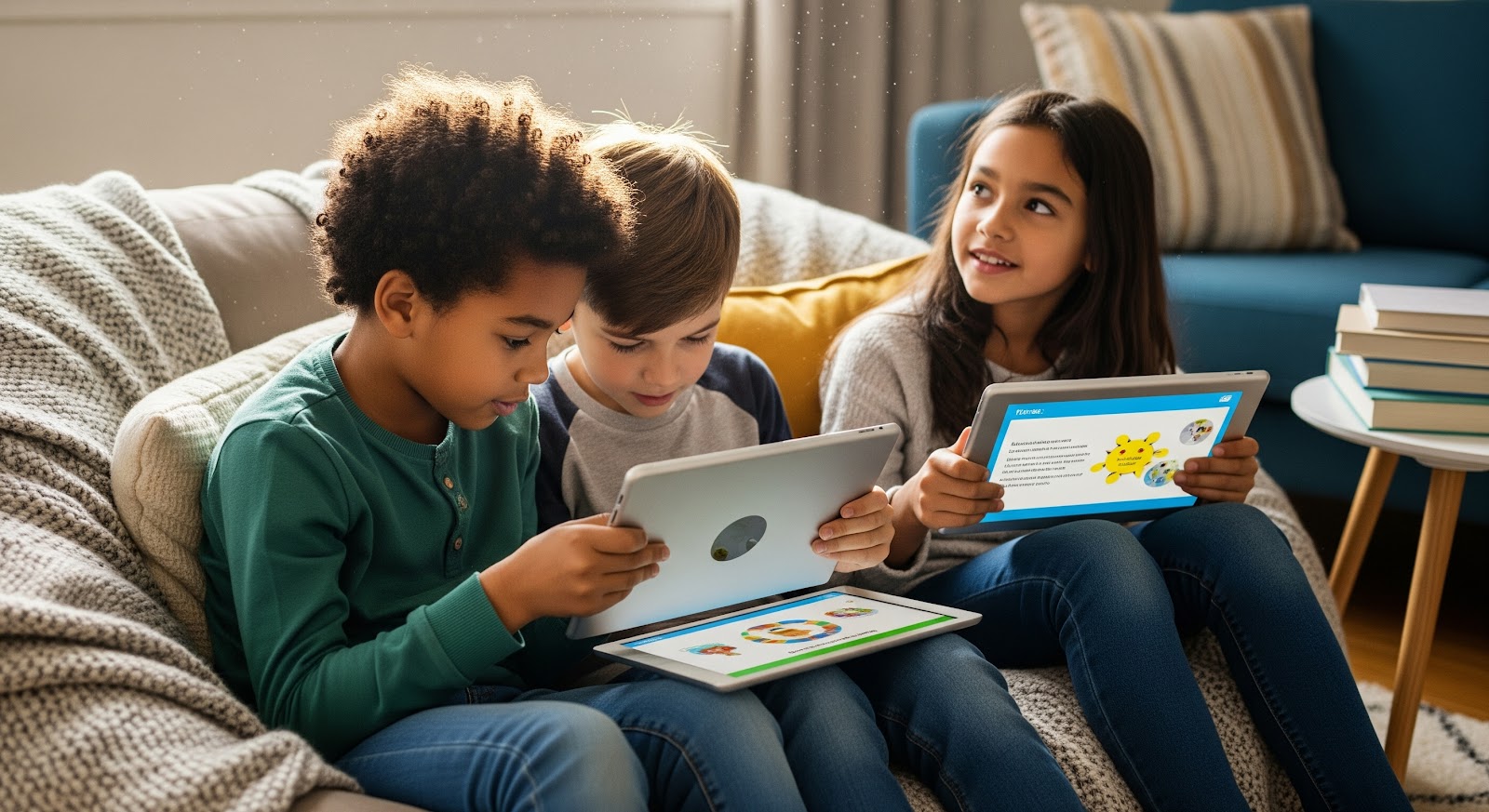
The Science Behind Reading Comprehension Techniques
xplore proven reading comprehension techniques that boost fluency, vocabulary, and confidence. Learn how AI tools like Readability improve student outcomes.
Read More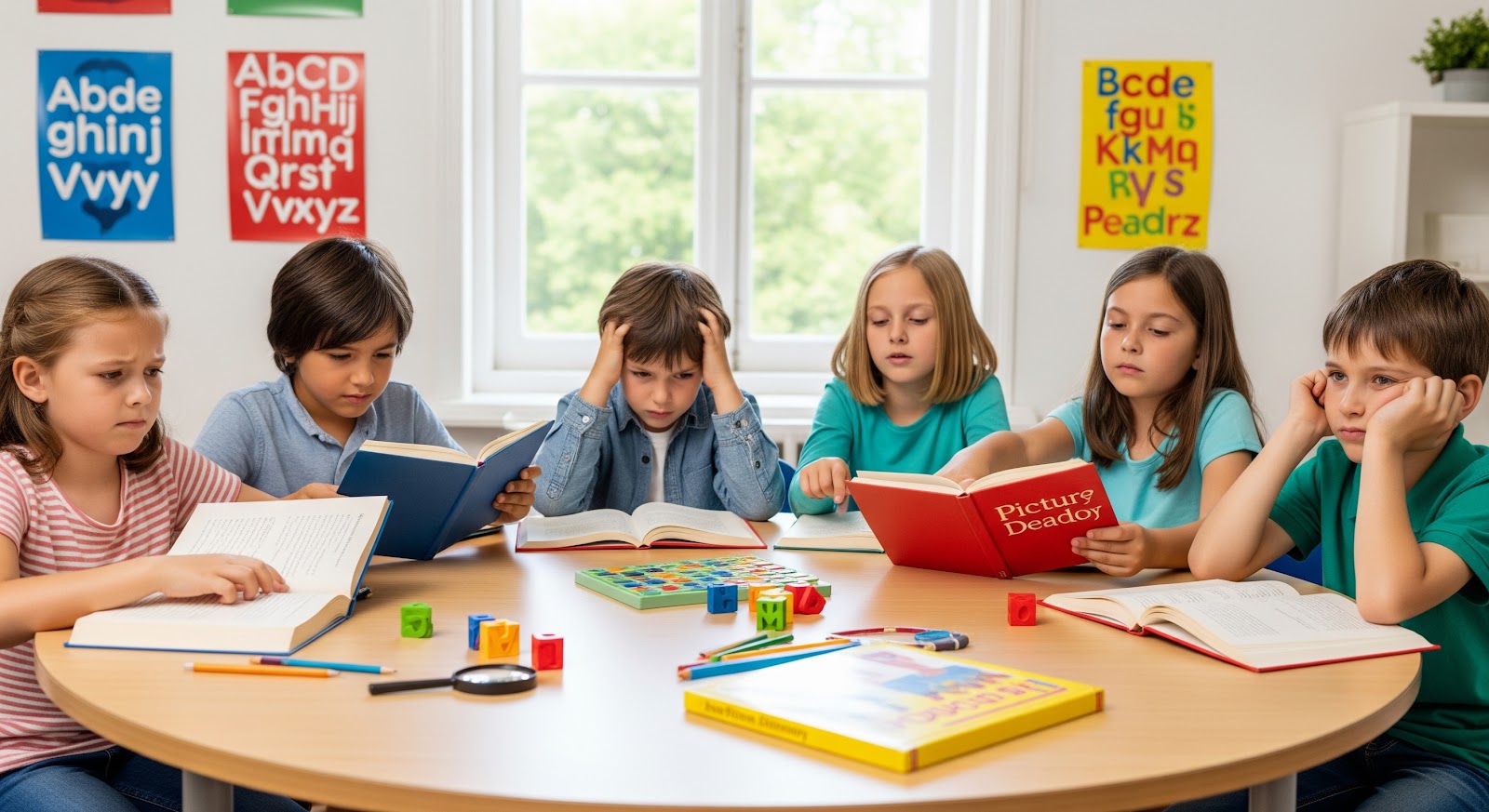
Facing the Challenges of Reading: A Parent’s Guide to Supporting Struggling Readers
Learn how to spot and support reading difficulties. A practical, research-based guide for parents facing the challenges of reading at home.
Read More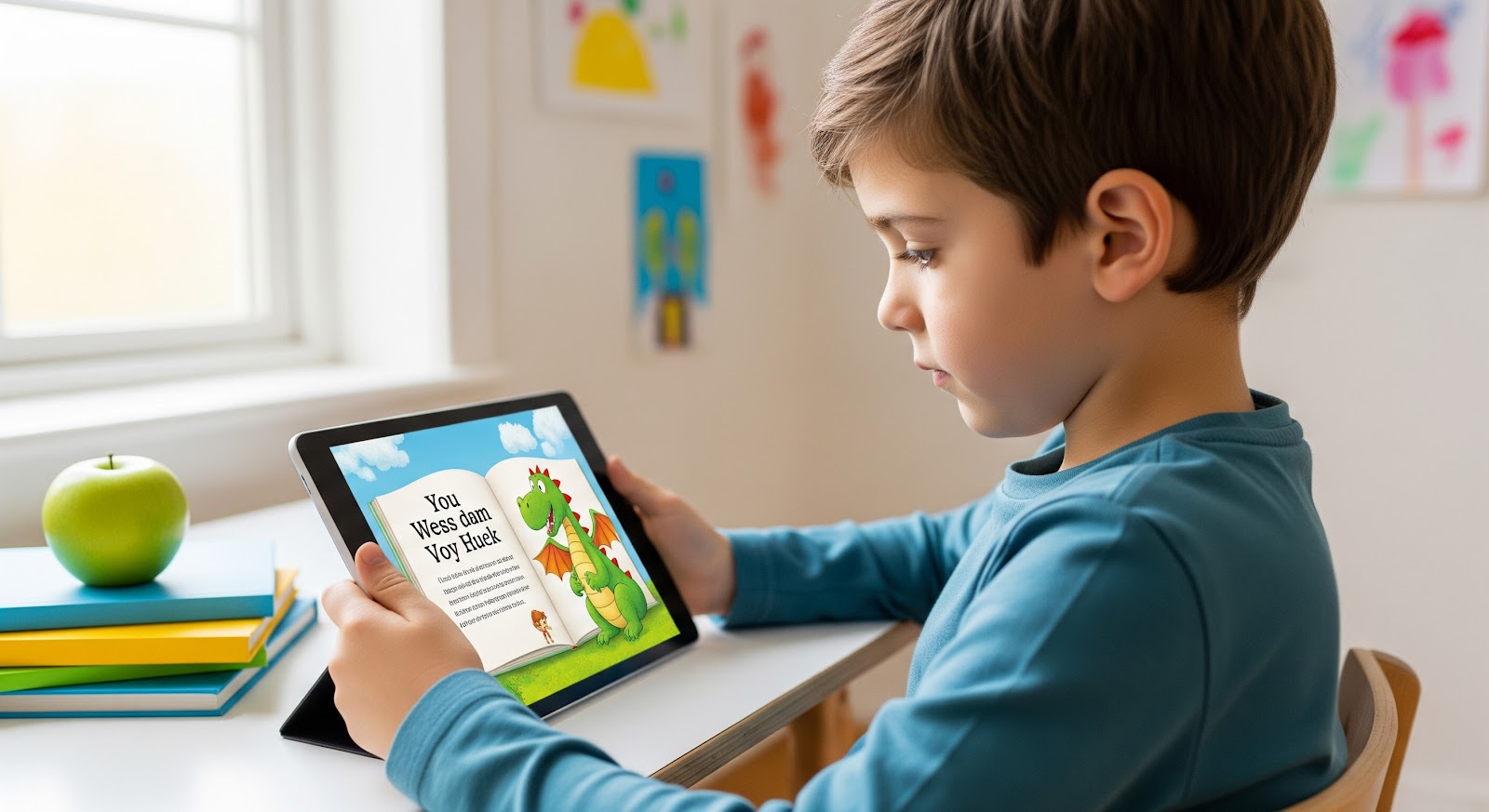
What Progress Really Looks Like: Reading Fluency Assessment That Drives Results
Discover how a reading fluency assessment tracks accuracy, speed, and prosody to inform instruction, guide interventions, and grow confident, engaged readers.
Read More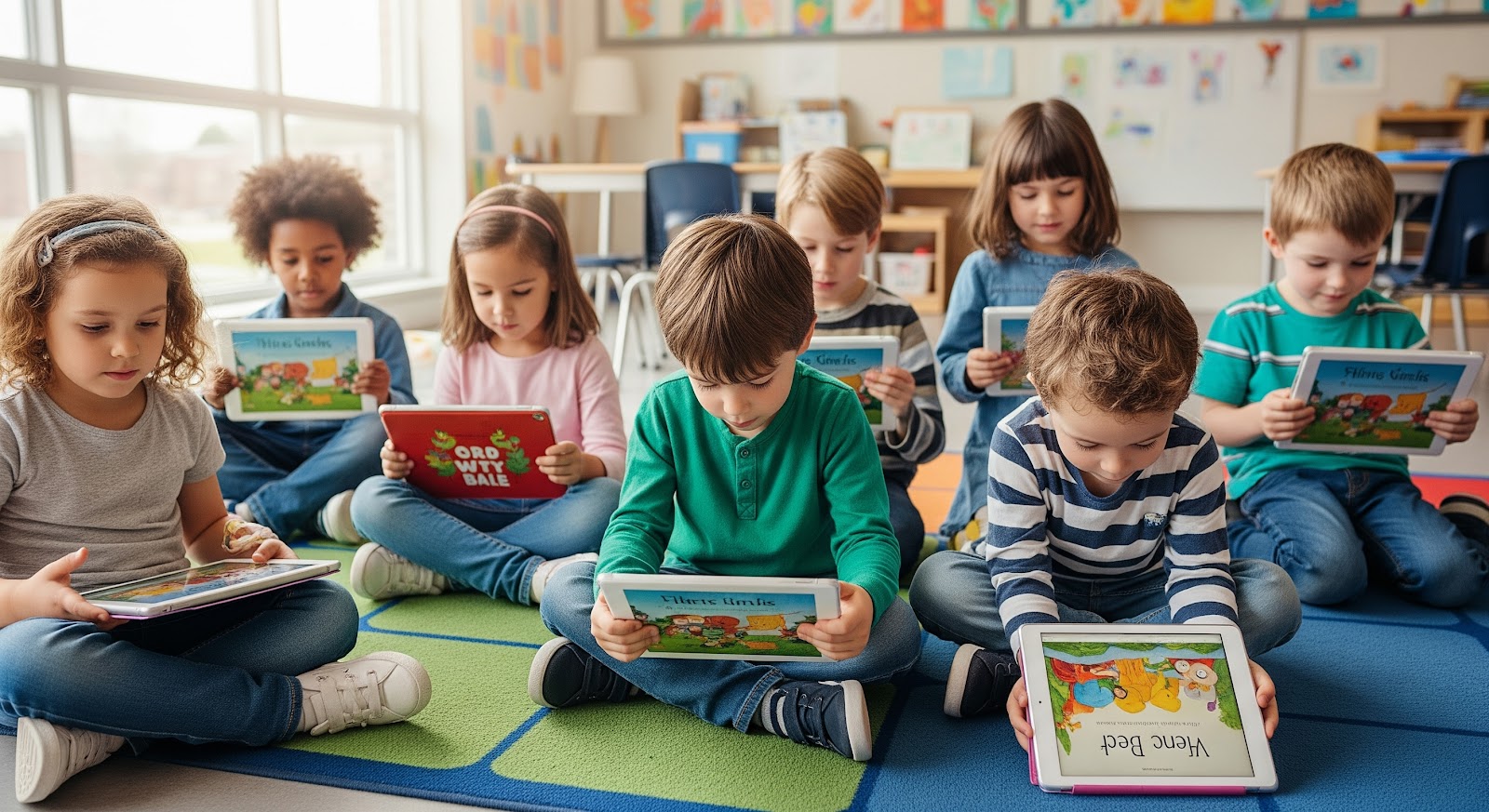
Kindergarteners Reading with Confidence: How to Build Early Literacy Foundations
Children who develop essential early literacy skills such as recognizing letter sounds, identifying rhyming words, and understanding simple stories are more likely to thrive when they enter school. These skills don’t just prepare them to read; they prepare them to learn.When children are introduced to books early, supported in their efforts to sound out words, and encouraged through every small success, they begin to see themselves as readers.
Read More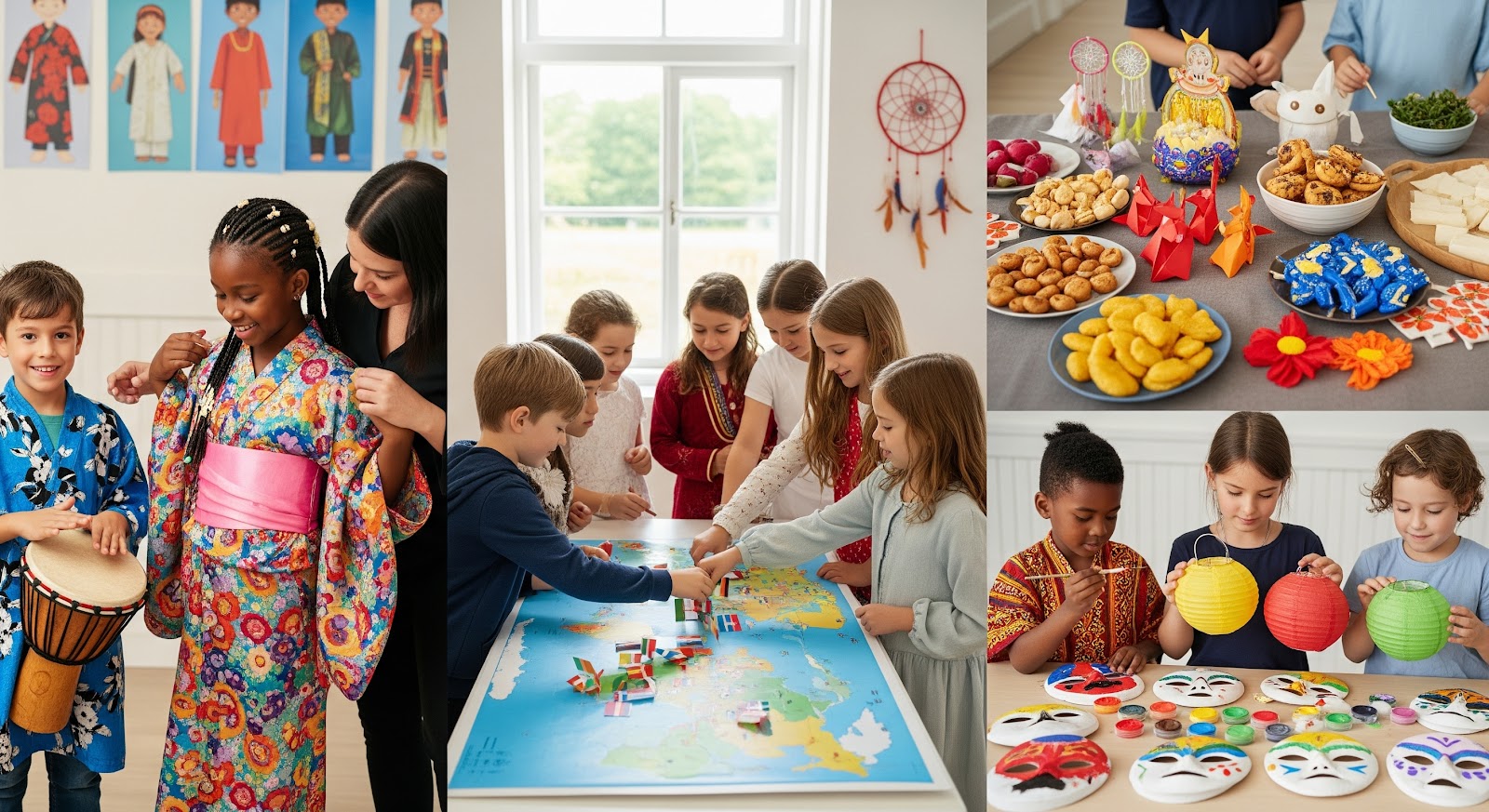
Fun and Educational Cultural Diversity Activities for Kids
Cultural diversity refers to the presence and appreciation of multiple cultural identities, languages, customs, beliefs, and traditions within a group, community, or society. It recognizes that people come from different backgrounds and that these differences should be celebrated, not just acknowledged. For children, cultural diversity can be explored through food, music, clothing, language, stories, celebrations, and ways of thinking.In simple terms, when we talk about cultural diversity with kids, we’re helping them understand that the world is made up of many kinds of people who live, learn, and celebrate in unique ways.
Read More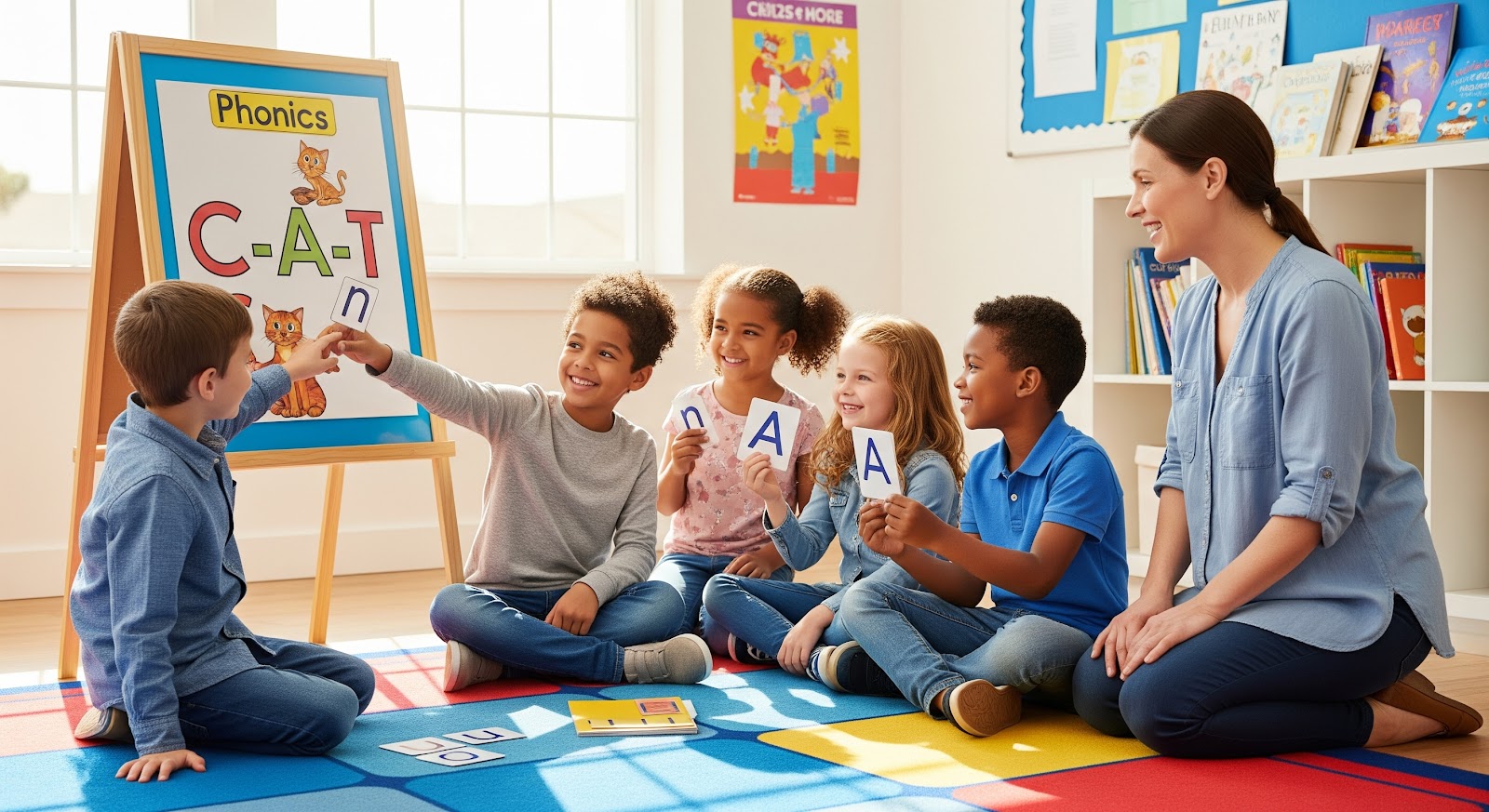
The Role of Phonics and Phonological Awareness in Early Literacy Development
Phonological awareness is the ability to recognize and manipulate the sounds of spoken language. It includes skills such as rhyming, syllable segmentation, and identifying individual sounds (phonemes) in words. Phonics, on the other hand, is the relationship between those sounds and their written symbols, letters, and letter patterns. Together, these skills form the bedrock of reading development.
Read More